24/7 Fire Damage Restoration Contractor in Chickasha, OK – Fast, Insured Help
When a fire hits a Chickasha home, the flames are only the start. The water used to put it out begins growing mold in wet drywall and insulation within 24 to 72 hours, and Oklahoma heat and humidity speed that up. Smoke moves through old balloon-framed walls into the attic, and south winds blow red dust into every opening. Chickasha Fire Damage Restoration answers the phone 24/7, gets a crew rolling right away, and bills your insurance company directly. We board up, dry out, and stabilize your property before the secondary damage costs more than the fire did.
We're a locally owned restoration contractor, and we've spent more than 10 years working on Grady County properties. That includes Craftsman bungalows near Downtown Chickasha and the USAO campus, newer brick homes out toward Blanchard, and farmsteads, shops, and manufactured homes around Ninnekah, Verden, and Anadarko. We know how smoke behaves in plaster-and-lath walls, how propane and wood-stove fires start, and which local permit office your rebuild has to go through. A local crew also means you won't get a storm chaser who's gone after the claim closes.
- ✓24/7 emergency response, 365 days a year
- ✓Direct insurance billing and help working with your adjuster
- ✓Bonded and insured
- ✓Locally owned, with 10+ years serving Grady County
- ✓Free damage inspections
- ✓Warranty-covered workmanship
- ✓Financing available
Request Your Free Estimate
No obligation. Fast, honest quotes.
Thank you — your request was sent!
A member of the Chickasha Fire Damage Restoration team will reach out shortly. Need help now? Call (405) 477-3442.
Why Chickasha Properties Need Specialized Fire Damage Restoration
Fire restoration in the Washita River valley works differently than it does in a big metro area. Wind-driven grass fires, homes more than 100 years old, red clay dust, and long rural drives all change what a good recovery takes. Here's what makes Chickasha and Grady County different.
Wind, Drought, and Heat Raise the Stakes
From February through April, cured prairie grass, low humidity, and wind gusts of 30–40 mph make Grady and Caddo counties some of the most fire-prone ground in the state. The National Weather Service in Norman issues Red Flag Warnings here often. Summer droughts push July highs past 100°F, and attics go well above 130°F. That heat drives smoke odor deeper into framing and insulation. Most of the area's 32–36 inches of annual rain comes in spring thunderstorms, and lightning from those storms starts structure fires. Storms can also push rain into a burned roof within hours. Winter cold snaps like February 2021 bring heavy use of space heaters, wood stoves, and propane heaters, and house fires go up with them. Once firefighters leave, you have about 24–72 hours to start drying before mold sets in.
An Older, Mixed Building Stock
Much of central Chickasha, from Downtown and Chickasha Avenue to the Grand Avenue corridor and the streets around USAO, was built between the railroad-and-cotton boom of the 1900s and the 1950s. Many of those homes have balloon framing with no fire blocking, so smoke and soot can travel from the crawlspace to the attic inside the walls. Plaster and lath, original hardwood, and knob-and-tube wiring are common. Ranch homes built from the 1950s to the 1970s may have asbestos in popcorn ceilings, floor tile, or duct wrap. Newer brick-veneer subdivisions near Blanchard are full of synthetic furnishings that leave heavy, oily soot. Out in the rural service area, manufactured homes, barns, metal shops, and propane-heated farmhouses each burn and clean up in their own way.
Permits, Codes, and Insurance Rules
Inside Chickasha city limits, structural, electrical, plumbing, and mechanical repairs after a fire usually need permits and inspections from the city's building and code enforcement office. Blanchard, Minco, Anadarko, and Rush Springs each run their own permit offices. Oklahoma follows the International Residential Code. Electrical, plumbing, and mechanical work must be done by contractors licensed through the Construction Industries Board, and roofers must register with the CIB. Pre-1978 homes fall under EPA Lead RRP rules, and asbestos work falls under the Oklahoma Department of Labor's Asbestos Division. Blanchard-area HOAs control exterior materials and colors, and historic Chickasha properties call for careful restoration of original materials. Oklahoma also regulates post-loss contracts, so a clear written estimate matters.
Who We Serve and What They Need
Chickasha has about 16,000 residents and is the seat of a county of roughly 55,000–60,000. Many homeowners have owned paid-off older homes for decades and may be underinsured or on actual cash value policies. Landlords near USAO, growing commuter families in northeast Grady County, ranchers, oilfield workers, and Anadarko's tribal communities all need the same things: someone who answers at 2 a.m., explains the claim in plain language, and gives straight pricing they can check.
Common Fire and Smoke Damage Problems in Chickasha Homes
Every fire leaves a different kind of damage, but some problems come up again and again in Grady County. These are the issues we see most often, why they happen here, and how to tell whether they're already affecting your property.
Mold Growth From Firefighting Water Emergency
Fire hoses can put thousands of gallons into a home. That water soaks drywall, insulation, subfloors, and crawlspaces. If it isn't removed and dried with professional equipment, mold starts growing within 24 to 72 hours, and wood framing can start to rot.
Why it's common hereChickasha's humid summers and the muggy days after spring thunderstorms are ideal for mold. Many older homes sit over crawlspaces where water pools on red clay that drains poorly. Expansive clay also holds moisture against foundations and sill plates. When a fire happens in May or June, the water from firefighting meets 80%+ humidity, and dry rural roads can delay help. Water left sitting even a few days can turn a manageable fire claim into a much larger mold job.
Signs you'll notice- Standing water in crawlspaces or basements
- Musty smell mixed with smoke odor
- Swelling or buckling hardwood floors
- Sagging or soft ceiling drywall
- Dark spots on baseboards or lower walls
- Wet insulation in walls or the attic
Most common in pre-1950 crawlspace homes near Downtown Chickasha and Grand Avenue, and in manufactured homes around Ninnekah and Alex, where particleboard subfloors fall apart fast once wet.
Our fix: Emergency water extraction, commercial dehumidifiers and air movers, moisture mapping, removal of saturated materials, and antimicrobial treatment, with documented daily readings.
Open Roofs and Walls Exposed to Weather Emergency
Fire and firefighting often leave holes in roofs, broken windows, and open walls. Until they're sealed, rain, wind, red dust, animals, and intruders can get in, and insurers may deny damage that happens because a property wasn't secured.
Why it's common hereSpring thunderstorms can drop an inch of rain in an hour, and steady south winds push it sideways into burned openings. A house in Verden, Rush Springs, or Union City may be 20 or more miles of rural road from help. A vacant, fire-damaged home is also an easy target. Most policies require you to take reasonable steps to prevent further loss, so fast board-up and tarping protects both the house and the claim.
Signs you'll notice- Holes burned or vented through the roof
- Windows broken out by firefighters
- Missing or damaged exterior doors
- Rain coming in through the ceiling after the fire
- Debris and red dust blowing inside
- Signs of animals or trespassers
Rural homes and farmsteads near Verden, Amber, and Minco are especially exposed, as are vacant rentals near the USAO campus and older downtown commercial buildings with flat roofs.
Our fix: 24/7 board-up of windows and doors, roof tarping, perimeter securing, and photo documentation so your insurer can see we took prompt mitigation steps.
Asbestos and Lead Delaying Demolition Serious
Fire-damaged materials in older homes may contain asbestos or lead paint. These materials must be tested before anyone tears them out. Disturbing them without proper procedures puts your family and workers at risk and can stop the project.
Why it's common hereGrady County has a large number of 1950s–1970s ranch homes with popcorn ceilings, vinyl floor tile, and duct wrap, along with pre-1978 painted woodwork throughout older neighborhoods. Federal NESHAP rules, the Oklahoma Department of Labor's Asbestos Division, and EPA Lead RRP standards all apply. Contractors who skip testing can create a bigger hazard than the fire did.
Signs you'll notice- Textured popcorn ceilings
- 9x9 or 12x12 vinyl floor tile
- Wrapped ductwork or pipe insulation
- Home built before 1980
- Multiple layers of old paint on trim
- Cracked or crumbling materials after the fire
Common in postwar ranch neighborhoods near the Country Club area and Shannon Springs Park, older Anadarko housing, and mid-century rentals near USAO.
Our fix: Before demolition, we arrange sampling with properly licensed asbestos professionals, use lead-safe work practices, and schedule abatement so restoration keeps moving.
Wildfire and Grass-Fire Smoke Infiltration Moderate
A home doesn't have to burn to be damaged. Smoke and fine ash from nearby grass fires and wildfires get in through vents, soffits, and HVAC intakes. They leave odor, gritty residue, and contaminated ductwork behind.
Why it's common hereLate winter and early spring wind events can push grass fires across miles of prairie in hours, and the rural-wildland edge around Chickasha, Minco, Verden, and Anadarko is right in the path. Ash mixed with red clay and agricultural dust makes a stubborn, abrasive residue. Attic vents and window units pull smoke inside long after the fire moves on.
Signs you'll notice- Fine gray or black ash on windowsills
- Smoky smell in fabrics and bedding
- Dark streaks around HVAC registers
- Discolored attic insulation near vents
- Gritty red-gray film on surfaces
- Respiratory irritation indoors
Most common on acreage properties near Verden, Minco, Amber, and Union City and along the outskirts of Anadarko after Red Flag days from February through April.
Our fix: HEPA vacuuming, chemical sponge cleaning, HVAC and duct cleaning, contents and textile cleaning, and hydroxyl or ozone odor treatment, documented for your insurance claim.
Oily Protein and Synthetic Soot Residue Moderate
Kitchen fires and burning plastics or synthetic furniture leave sticky, oily soot that smears when you wipe it. It can permanently stain paint, cabinets, grout, and fabrics, and it corrodes metal and electronics within days.
Why it's common hereKitchen fires are a leading cause of house fires in Grady County. Newer open-plan homes in Blanchard and northeast Grady County are full of synthetic furnishings, so one stovetop fire can coat the whole main living area. In winter, space-heater fires near upholstered furniture create the same heavy, oily residue.
Signs you'll notice- Yellow-brown film on cabinets and walls
- Soot that smears instead of wiping off
- Strong, sour smoke smell
- Discolored grout and countertops
- Tarnished fixtures and appliance surfaces
- Residue on ceiling fan blades
Seen most often in newer Blanchard-area subdivisions with open layouts and in older Chickasha kitchens where grease builds up on painted wood cabinetry.
Our fix: Degreasing with professional cleaning agents, careful hand cleaning of cabinetry, corrosion protection for metals, and sealing before repainting any surfaces that can be saved.
Lingering Odor in HVAC and Soft Goods Minor
Small fires, puff-backs from furnaces or wood stoves, and minor smoke events can leave odor in ductwork, carpets, drapes, and clothing even without visible damage. The smell gets stronger whenever the system runs.
Why it's common hereRural Grady County homes rely heavily on wood stoves and propane heaters, and puff-backs are common during cold snaps. Ducts in hot attics hold odor, and windblown dust traps smoke particles in filters and fabrics.
Signs you'll notice- Smell when the heat or AC kicks on
- Light soot around a stove or furnace
- Smoky-smelling clothes and curtains
- Dark furnace filter after the event
- Faint film on walls near the source
Common in farmhouses around Ninnekah, Rush Springs, and Alex that heat with wood or propane, and in older homes with original duct systems.
Our fix: Duct and filter cleaning, laundering or ozone treatment of textiles, light surface cleaning, and odor neutralization, usually finished in one to three days.
Fire, Smoke, and Water Restoration Services for Grady County
Each service below covers one part of a full recovery, and most fire losses need several of them working together. One local crew handles your project from emergency mitigation to final repairs, and we bill your insurance carrier directly. You won't have to coordinate five different companies while you're also dealing with the loss.
Fire Damage Restoration ⭐ Specialty
We manage the full recovery after a house, shop, or commercial fire. That includes emergency board-up, debris removal, cleaning, deodorization, and repairs. You get one point of contact from the first phone call until the job is finished.
Our approachWe start with a documented damage assessment, then do mitigation, contents pack-out and inventory, and sequenced demolition of unsalvageable materials. Cleaning and rebuild follow. Estimates are written in line-item format that insurance adjusters use, with photos at every stage.
In Chickasha, OKWe work on everything from 1910s Craftsman bungalows near Downtown Chickasha to metal shops and farmsteads near Verden and Union City. We plan rebuilds around City of Chickasha permits, town permit offices in Blanchard and Minco, and HOA rules in newer subdivisions.
Best for: Homeowners, landlords, and business owners with a kitchen fire, an electrical fire, or major structural damage who want one accountable local contractor handling the whole job, including the insurance side.
Smoke Damage Remediation
We find and remove smoke residue and odor at the source. That includes surfaces, wall cavities, attics, HVAC systems, and contents. Masking odor with fragrance doesn't fix it. We neutralize it so it doesn't come back on the next hot day.
Our approachWe use thermal imaging and cavity inspection, HEPA air scrubbing, and thermal fogging. Hydroxyl generators let occupied spaces be treated, and ozone is used when a space is vacant. Affected framing gets sealed with odor-blocking primers before anything is closed up.
In Chickasha, OKThis matters most in balloon-framed homes near USAO and Grand Avenue, where smoke travels inside walls, and in rural homes hit by grass-fire smoke near Minco and Anadarko. Ductwork and attics above 130°F are often where odor hides.
Best for: Properties with smoke odor but little visible fire damage, including homes near wildfires, puff-back events, and rooms next to a contained fire.
Soot Removal & Surface Cleaning
We clean soot from walls, ceilings, cabinets, floors, fixtures, and belongings, matching the cleaning method to the type of residue so we don't smear it or set stains permanently.
Our approachWe test the residue first: dry, wet/oily, protein, or fuel-oil. Then we use dry chemical sponges, alkaline degreasers, HEPA vacuuming, and gentle hand cleaning. Metals and electronics are treated early to prevent corrosion.
In Chickasha, OKGrady County soot is often mixed with red clay and agricultural dust, which makes it more abrasive and harder to lift. We adjust our methods to protect original hardwood, plaster, antiques, firearms, and cultural and heirloom items in Anadarko-area and long-held family homes.
Best for: Smaller kitchen or appliance fires, rooms next to the fire, and contents worth saving, including heirlooms, furniture, and items that can't be replaced.
Structural Fire Restoration
We repair and rebuild fire-damaged framing, roofs, walls, floors, and finishes, bringing your property back to pre-loss condition and current code where required.
Our approachWe assess structural members for char depth and remove what can't be saved. We arrange asbestos and lead testing on older homes and coordinate CIB-licensed electrical, plumbing, and mechanical trades, then frame, roof, drywall, and finish to code with permits pulled.
In Chickasha, OKWhen we rebuild a balloon-framed home, we add fire blocking where code requires it. On historic Chickasha properties we restore plaster, trim, and hardwood carefully. Manufactured homes and outbuildings across rural Grady County get honest repair-versus-replace advice.
Best for: Moderate to severe fires with burned framing, roof loss, or electrical damage, especially older homes needing permits, testing, and coordinated licensed trades.
Water Mitigation Services ⭐ Specialty
We remove firefighting water, storm intrusion, and plumbing leaks quickly and dry the structure completely. That stops mold and rot before it starts, which is the most time-sensitive part of any fire claim.
Our approachWe use truck-mounted and portable extraction, commercial dehumidifiers, air movers, and moisture meters. Thermal imaging finds hidden moisture, wet materials are removed where needed, and antimicrobial treatment follows. We log moisture readings every day until the structure reaches dry standards.
In Chickasha, OKOklahoma's spring humidity and clay-soil crawlspaces leave a narrow 24–72 hour window before mold. We set up drying fast whether you're in town or on acreage near Rush Springs or Amber, and we also handle storm-driven water through burned roof openings.
Best for: Any fire where hoses were used, homes with crawlspaces, storm water entering through fire damage, and standalone water losses from burst pipes during winter freezes.
Our Fire Restoration Process, Step by Step
Fire recovery feels overwhelming, so we keep it predictable. Here's what happens from your first call to the final walkthrough, with insurance communication handled the whole way through.
Emergency Call and Rapid Dispatch
- A real person answers day or night
- We confirm everyone is safe and the fire department has released the property
- We collect your insurance details so billing can go directly to your carrier
- A crew heads out with board-up and water extraction equipment
Local note: Rural addresses near Verden, Union City, or Rush Springs get GPS-pinned directions, and we bring tarps if rain is in the forecast.
Free Inspection and Damage Documentation
- Walkthrough with moisture meters and thermal imaging
- Photos and video of every affected area for your claim
- Check of wall cavities and attics for hidden smoke travel
- Flagging of possible asbestos or lead materials in older homes
Local note: In balloon-framed Chickasha homes, we check upper floors and attics even when the fire stayed in one room.
Emergency Mitigation and Stabilization
- Board-up of windows and doors and roof tarping
- Water extraction and drying equipment setup
- Contents pack-out and inventory for off-site cleaning
- HEPA air scrubbing to control soot and odor
Local note: Heirlooms, firearms, and cultural items are inventoried individually and handled with extra care.
Insurance Coordination and Cleaning
- Line-item estimate submitted directly to your adjuster
- We meet the adjuster on site to walk through the damage
- Soot removal, deodorization, and cleaning of structure and contents
- Daily moisture logs until the structure is dry
Local note: We explain actual cash value versus replacement cost coverage in plain language, since many older Grady County homes carry ACV policies.
Repairs, Rebuild, and Final Walkthrough
- Permits pulled with Chickasha or the local town office
- Licensed trades coordinated for electrical, plumbing, and HVAC
- Framing, drywall, flooring, paint, and finish work
- Final walkthrough, contents returned, and workmanship warranty documented
Local note: HOA approvals for Blanchard-area subdivisions and historic-material matching for older Chickasha homes are built into the schedule.
Why Grady County Families Choose Chickasha Fire Damage Restoration
24/7 Emergency Response That Stops Secondary Damage
After a fire, the clock keeps running. Mold can grow in wet drywall within 24 to 72 hours, rain can come through a burned roof that same night, and soot starts etching metal and stone within days. That's why we answer around the clock, holidays included, and send a crew with board-up materials, tarps, and water extraction equipment right away. Fast mitigation is often what separates a repairable kitchen fire from a gutted house, and it also shows your insurer you took reasonable steps to prevent further loss.
We Bill Your Insurance Directly
Insurance paperwork shouldn't land on you while you're figuring out where to sleep. We document everything with photos, moisture logs, and line-item estimates written in the format adjusters use. Then we bill your carrier directly and meet the adjuster on site. We explain your deductible, actual cash value versus replacement cost, and what your policy likely covers in plain English. Many long-time Chickasha homeowners have older policies, and we help make sure nothing in the damage gets missed.
Local Expertise You Can't Get From Storm Chasers
We're locally owned and have spent more than 10 years working on Grady County properties. We know how smoke moves through balloon-framed homes on Grand Avenue, what a propane fire does to a farmhouse near Ninnekah, and how red clay dust complicates soot cleanup. We know the permit offices in Chickasha, Blanchard, and Minco. When out-of-state crews show up after a big wildfire and leave once the checks clear, we're still here, and our reputation in these small towns depends on doing the job right.
Bonded, Insured, and Code-Compliant
We're bonded and insured, which protects you and your property throughout the project. On rebuilds we pull the required permits and coordinate electrical, plumbing, and mechanical work with Oklahoma Construction Industries Board–licensed trades. Older homes get proper asbestos and lead testing before demolition. Oklahoma regulates post-loss contracts, and we follow those rules with clear written agreements and no pressure tactics. You'll always know what's being done and why.
Fire, Smoke, and Water Under One Roof
Most fire losses are really three losses: fire, smoke, and water. We handle all three, along with contents cleaning and structural repairs, so you aren't scheduling a water company, a cleaning company, and a contractor separately. One crew means less finger-pointing, fewer gaps in the insurance documentation, and a faster path home. That's especially helpful for older homeowners and out-of-town landlords who don't want to manage multiple vendors.
Free Inspections and Transparent Pricing
Every job starts with a free inspection and an honest assessment. If smoke cleaning will do and you don't need demolition, we'll say so. If a manufactured home is a total loss, we'll tell you that too. Our estimates are itemized so you can see what each line covers, whether insurance is paying or you are. Financing is available for deductibles, uncovered upgrades, or underinsured losses, which matters for many paid-off older homes in our area.
Warranty-Covered Workmanship
Our repairs and restoration work come with a workmanship warranty, so if something we fixed isn't right, we come back and make it right. That includes odor that returns because a cavity wasn't sealed properly. We document the warranty at the final walkthrough, so you, your lender, or a future buyer has a clear record that the property was restored professionally.
Trusted by Chickasha and Grady County Property Owners
Bonded • Insured • Financing Available
Fire Damage Restoration Service Areas Around Chickasha
We're based in Chickasha and respond 24/7 within about 20 miles, covering most of Grady County and into Caddo County. That area includes historic in-town neighborhoods, growing commuter suburbs, and rural farm and ranch country.
Chickasha Neighborhoods
North & Northeast Grady County
South & West: Rural Grady and Caddo County
Our standard service radius is 20 miles from Chickasha. Properties near the edge of that range, including parts of Blanchard, Tuttle, and outer Caddo County, may still be covered. Call us and we'll confirm. Not sure if we cover your area? Call (405) 477-3442.
How Much Does Fire Damage Restoration Cost in Chickasha?
Most fire restoration in Grady County is billed directly to homeowners insurance, so you'll usually pay only your deductible. Still, it helps to know what drives the cost so you can understand your estimate and check your coverage.
Size and Severity of the Fire Primary Factor
A contained stovetop fire affecting one room costs much less than a fire that burns through framing and the roof. Square footage of affected area, how far smoke spread, and whether structural members need replacement set the baseline. In balloon-framed Chickasha homes, smoke travels inside walls, so the affected area is often bigger than it looks. A thorough inspection helps keep surprises out of the estimate.
Water Damage and Drying Needs Primary Factor
Firefighting water adds extraction, drying equipment, and removal of wet materials to the job. Drying usually runs three to five days, with equipment billed daily. Crawlspace homes over red clay and the humidity after spring storms can extend drying. Starting within the first 24–72 hours is the best way to keep this cost down, because once mold starts, remediation adds a separate line item.
Age of the Home and Hazardous Materials Secondary Factor
Pre-1980 homes may need asbestos testing, and pre-1978 homes require lead-safe practices. Testing typically adds a few hundred dollars, and abatement, if needed, can add several thousand. Plaster-and-lath walls, original hardwood, and historic trim also take more labor to restore properly than modern drywall and laminate.
Contents Cleaning and Pack-Out Secondary Factor
Packing, inventorying, cleaning, and storing belongings off-site is often a large part of the claim. Homes full of antiques, heirlooms, firearms, electronics, or cultural items need item-by-item handling. Newer Blanchard-area homes often have larger contents claims because of electronics and furnishings. Clothing and textiles usually need specialized laundering or ozone treatment.
Rebuild Scope, Permits, and Code Upgrades Variable Factor
Rebuilding to current code can include required upgrades like fire blocking, new wiring that replaces knob-and-tube, or updated electrical panels. Permit fees vary between Chickasha and nearby towns. HOA material requirements and historic restoration preferences also affect cost. Many policies include ordinance-or-law coverage for code upgrades, so check your declarations page.
| Typical project | Details | Estimated range |
|---|---|---|
| Kitchen fire with smoke cleanup | 1960s ranch home near Shannon Springs Park; stovetop fire contained to the kitchen with smoke throughout the main floor, plus cabinet cleaning and deodorization | $4,000 – $12,000 |
| Wildfire smoke infiltration, no flames | Acreage home near Verden or Minco; ash in the attic and HVAC, soot on surfaces, and odor in textiles; duct cleaning plus whole-house cleaning and hydroxyl treatment | $3,500 – $15,000 |
| Room fire with firefighting water | 1920s balloon-framed bungalow near Grand Avenue; bedroom fire, water extraction and drying, wall cavity cleaning, asbestos and lead testing, and partial rebuild | $25,000 – $65,000 |
| Major structural fire | Two-story home with roof and framing loss, full contents pack-out, electrical replacement, permits, and complete rebuild | $90,000 – $250,000+ |
Financing is available for deductibles, uninsured or underinsured losses, and upgrades beyond what your policy covers. Paying for proper mitigation now is almost always cheaper than dealing with mold, rot, or odor that comes back later. Thorough restoration also protects your home's resale value and gives you documentation for future buyers and lenders.
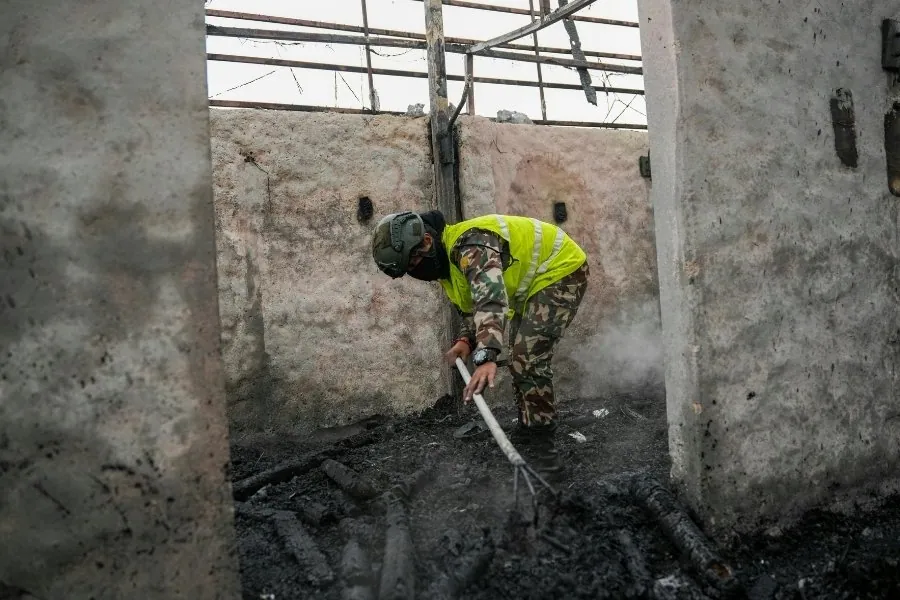
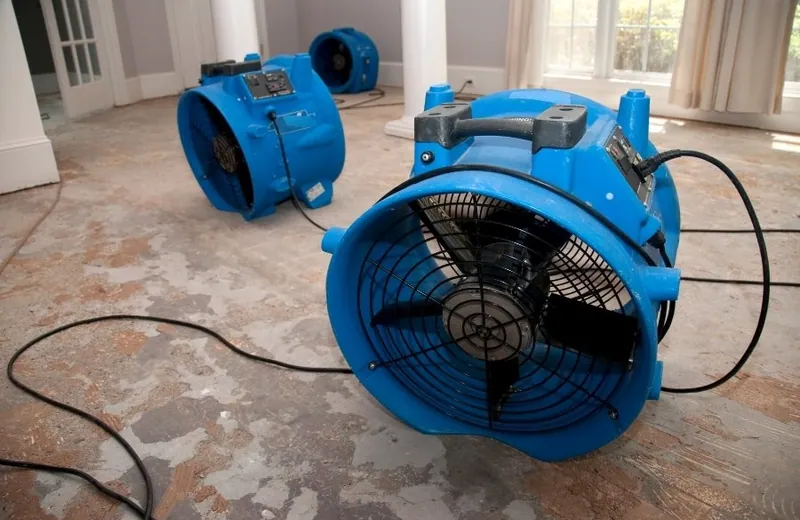
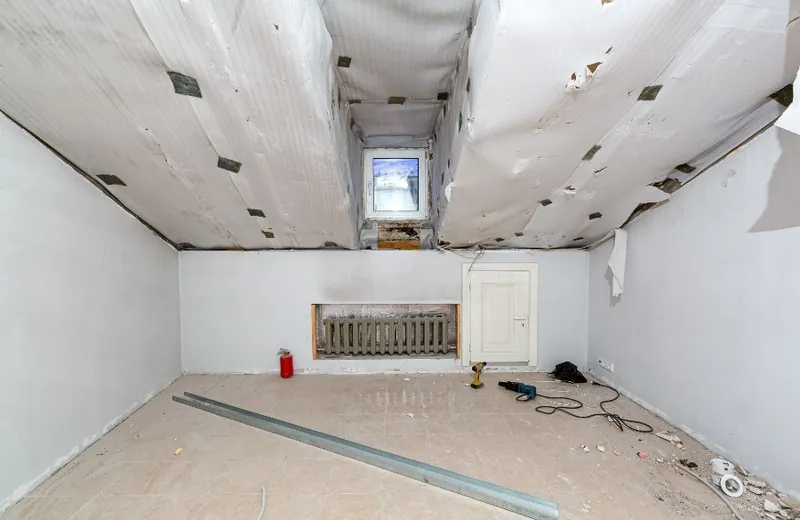
Recent fire-damage-restoration Projects in Chickasha, OK
Fire Damage Restoration FAQs for Chickasha Homeowners
How much will fire damage restoration cost me out of pocket?
For most covered fire losses, your out-of-pocket cost is your deductible. We bill your insurance company directly for the rest of the approved work. Total job costs in our area range from about $4,000 for a contained kitchen fire to well over $100,000 for a major structural loss. What you actually pay depends on your policy type (actual cash value or replacement cost), your deductible, and any limits. Many older Chickasha homes are on ACV policies or are underinsured. We review your coverage with you early, and financing is available for deductibles or uncovered costs.
How quickly do I need to act after a fire?
Call right away, ideally as soon as the fire department releases the property. Firefighting water starts mold growth in drywall and insulation within 24 to 72 hours, and Oklahoma humidity speeds that up. Soot is acidic and starts etching metals, grout, and finishes within days. Open roofs and broken windows also leave your home exposed to the next spring storm. Most insurance policies require you to take reasonable steps to prevent further damage, so waiting can hurt both the house and your claim. We respond 24/7 for exactly this reason.
How long does fire restoration take?
Emergency board-up and water extraction usually happen within hours of your call. Drying typically takes three to five days. Cleaning and deodorizing a smoke-damaged home without structural damage usually takes one to two weeks. Fires that need demolition and rebuilding can take anywhere from several weeks to a few months. Timing depends on permit approvals, insurance approvals, asbestos testing results for older homes, and material availability. We'll give you a realistic schedule after the inspection and keep you updated as each phase finishes.
Do fire repairs in Chickasha need permits?
Yes, in most cases. Inside Chickasha city limits, structural, electrical, plumbing, and mechanical repairs generally require permits and inspections through the city's building and code enforcement office. Blanchard, Minco, Anadarko, and Rush Springs each have their own permit offices. Unincorporated Grady and Caddo County areas have little county permitting, but your lender and insurer will still want documentation. Electrical, plumbing, and mechanical work must be done by CIB-licensed trades. We handle permit applications and inspections as part of the rebuild.
Will you work directly with my insurance company?
Yes. We bill your insurance carrier directly and communicate with your adjuster throughout the claim. We provide detailed photo documentation, moisture logs, contents inventories, and line-item estimates in the format adjusters use. We'll also meet the adjuster on site so nothing gets overlooked, especially hidden smoke damage inside walls and attics. You remain in control of your claim, and we're happy to work alongside a licensed public adjuster if you hire one. Oklahoma regulates post-loss contracts, so everything we do is in a clear written agreement.
Can smoke odor really be removed, or will my house always smell?
Smoke odor can be removed permanently when it's treated at the source. Odor comes back when residue is left in wall cavities, attics, ductwork, or insulation, which is common in balloon-framed homes and hot Oklahoma attics. We find those hidden areas with inspection and thermal imaging, clean or remove contaminated materials, seal framing with odor-blocking primers, and use thermal fogging, hydroxyl, or ozone treatment as appropriate. Air fresheners and paint alone won't solve it. Our workmanship warranty covers odor that returns because of our work.
How can I lower my risk of a house fire in Grady County?
Focus on the causes we see most often. Keep space heaters three feet from anything that can burn, and plug them directly into the wall. Have wood stoves and chimneys inspected and cleaned every year before winter. Check propane tanks, lines, and connections, especially since shifting clay soils can stress gas lines. Have older wiring and panels evaluated by a licensed electrician. Never leave cooking unattended. On rural property, keep grass mowed and clear a defensible space around homes and barns, and follow county burn bans and Red Flag Warnings.
Do you handle wildfire smoke damage when my home didn't burn?
Yes, and it's more common than people think in Grady County. Grass fires and wildfires can send smoke and fine ash through attic vents, soffits, and HVAC intakes miles away from the flames. The result is lingering odor, gritty residue mixed with red dust, and contaminated ductwork and fabrics. Many homeowners policies cover smoke damage even when there's no fire on the property. We inspect, document the damage for your claim, and clean the structure, HVAC system, and contents, usually within a few days.
Serving Chickasha, OK & Nearby
Had a Fire? Call Now and Stop the Damage Before It Spreads
Every hour counts after a fire. Mold, corrosion, and weather damage start right away. One call gets a local crew on the way, and we deal with your insurance company so you can take care of your family.
- ✓24/7 emergency response, including board-up and roof tarping
- ✓Direct billing to your insurance company, with adjuster meetings handled for you
- ✓Free inspection with thermal imaging and full photo documentation
- ✓Fast water extraction and drying to prevent mold and structural rot
- ✓Fire, smoke, soot, water, and rebuild handled by one local team
- ✓Bonded and insured, with warranty-covered workmanship
- ✓Financing available for deductibles and uncovered costs
⚡ If the fire is still active or anyone is in danger, call 911 first. Once the fire department releases your property, call us any time, day or night.
Bonded • Insured